Innovations in Waste Management Tanks: Technology Trends for a Greener Future
Waste handling in oil and gas isn’t a side job. It’s one of those things that quietly decides whether an operation runs clean or keeps creating problems. We’ve spent years around sites where poor containment caused spills, odour issues, and unnecessary downtime. We’ve also seen how the right waste management tanks can change everything. Less mess. Fewer risks. Better control.
At JATCO, we don’t look at waste systems as basic storage. We see them as working equipment that has to perform every single day. The industry has moved forward, and tank technology has moved with it. Some changes are subtle. Others are major. All of them point toward a greener, more controlled future.
This blog breaks down what’s actually changing in waste management tank technology and why it matters to you on the ground, not just on paper.
Why Waste Management Tanks Matter More Than Ever
Regulations are tighter than they used to be. Inspections happen more often. Environmental pressure keeps growing. But beyond compliance, there’s a practical reason these systems matter.
When waste isn’t contained properly, you deal with:
Soil contamination
Water exposure
Vapour release
Extra cleanup costs
Lost production time
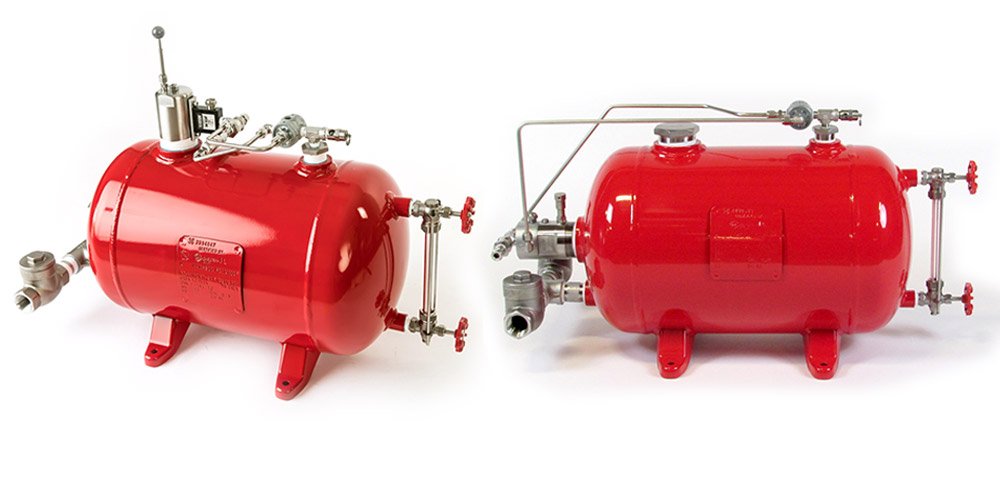
Modern waste management tanks are designed to reduce all of that. They don’t just hold waste. They control it.
Smarter Tank Design, Not Just Stronger Steel
Older tanks were built thick and heavy. Strength was the main focus. That hasn’t changed, but design thinking has.
Newer tanks focus on flow control, internal separation, and easier cleaning. The goal is to reduce how long waste sits stagnant and how often tanks need to be opened.
Some design improvements we’re seeing more often:
Sloped floors for better drainage
Internal baffles to reduce turbulence
Safer access points for inspections
Improved venting systems
These sound small, but over time, they reduce maintenance headaches and safety risks.
Integration with Emission Control Systems
One of the biggest shifts we’ve seen is how tanks work with emission control equipment. Waste tanks used to be isolated units. Now they’re part of a bigger system.
This is where BTEX Elimination Systems come into play. When tanks are paired with proper BTEX control, you reduce vapour release instead of just reacting to it later.
The benefit is simple:
Fewer airborne pollutants
Less odour around tank batteries
Better working conditions for crews
You’re not chasing vapours. You’re preventing them.
Materials Built for Real-World Conditions
Field conditions aren’t gentle. Heat, pressure, corrosive fluids, and constant use wear equipment down fast.
Modern tank builds now focus on:
Corrosion-resistant coatings
Better weld integrity
Materials chosen for specific waste streams
Longer service life without major rebuilds
This matters because tank failure is never a small issue. A leak doesn’t just damage equipment. It damages trust, compliance, and schedules.
Looking to upgrade your waste management systems with proven, field-ready solutions?
Automation and Monitoring Improvements
You don’t need a fully digital site to benefit from smarter tanks. Even basic monitoring upgrades help.
Today’s tanks often include:
Level indicators that are easier to read
Overfill protection
Pressure monitoring
Improved vent controls
These features reduce guesswork. You know what’s happening inside the tank without opening it up or relying on estimates.
Less guessing means fewer mistakes.
Easier Cleaning and Waste Removal
Tank cleaning used to be slow and unpleasant. It still isn’t fun, but newer designs make it safer and faster.
Innovations here include:
Better access ports
Internal layouts that prevent sludge buildup
Drainage systems that actually drain fully
When tanks clean faster, turnaround improves. You get equipment back online sooner and reduce exposure risks for your crew.
How Does this Support Greener Operations
Greener doesn’t always mean expensive or complex. Sometimes it just means fewer problems.
Modern waste management tanks support greener operations by:
Preventing leaks before they happen
Reducing vapour emissions
Minimising soil and water exposure
Supporting cleaner waste handling processes
When tanks do their job properly, the environmental impact drops naturally.
Our approach at JATCO
At JATCO, we design and build tanks based on how they’re actually used. We don’t overcomplicate things. We focus on durability, safety, and performance.
Our systems are built to work alongside emission controls like BTEX Elimination Systems, creating a more complete environmental solution. We’ve seen what fails in the field, and we design to avoid those failures.
We believe waste control should be boring. Quiet. Reliable. When no one is talking about your tanks, that usually means they’re doing their job.

Looking Ahead
Tank technology will keep evolving, but the core goal won’t change. Control the waste. Protect the site. Keep people safe.
Future trends will likely include:
Even better material science
Stronger integration with emission controls
Smarter monitoring without overautomation
Designs that last longer with less maintenance
The greener future of oil and gas isn’t built on one big change. It’s built on hundreds of practical improvements, and tanks are a big part of that picture.
Conclusion
Innovation in waste systems isn’t about trends. It’s about solving problems that never really go away. Better waste management tanks mean fewer spills, cleaner air, and smoother operations. When paired with proven solutions like BTEX Elimination Systems, they become part of a much larger environmental strategy.
At JATCO, we focus on building equipment that works in the real world, not just on drawings. Because when waste is handled properly, everything else runs better.
Need waste and emission control equipment that works reliably in real operating conditions?
FAQs
1. How long do modern waste management tanks typically last?
With proper use and maintenance, many tanks operate reliably for decades.
2. Do newer tanks really reduce environmental risk?
Yes, better design and materials significantly lower the leak and spill potential.
3. Can waste tanks work with emission control systems?
Absolutely, many are designed to integrate with BTEX Elimination Systems.
4. Are advanced tanks harder to maintain?
No, most newer designs actually reduce maintenance time and effort.